

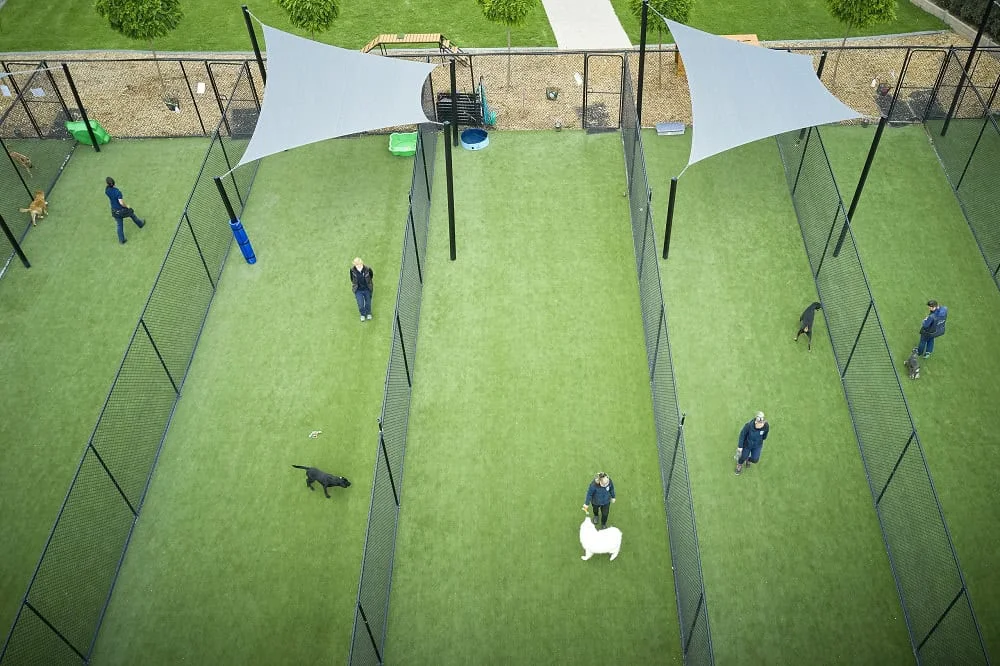
Artificial grass is becoming a popular alternative to natural lawns for Australian homeowners who want a greener backyard without regular mowing, fertilising and lawn maintenance. For dog owners, however, there is an important question to consider before installing synthetic turf: is artificial grass safe for dogs?
Artificial grass can be a suitable outdoor surface for dogs when the materials are appropriate, the installation provides effective drainage and the lawn is maintained correctly. However, it is not automatically risk-free. Surface temperatures, chemical composition, urine accumulation and cleaning practices can all affect its suitability.
For homeowners in Melbourne, Brisbane and Sydney, choosing artificial grass for pets involves more than finding a realistic-looking lawn. You also need to consider how it performs during Australian summers, how effectively dog urine drains through it and whether its construction can withstand your dog’s daily activities.
This guide explains the potential benefits and disadvantages of artificial grass for dogs, the safety considerations to investigate before purchasing, and how to maintain a cleaner outdoor environment for your pets.
Is Artificial Grass Safe for Dogs?
Yes, artificial grass can be suitable for dogs, provided you choose an appropriate product and ensure it is installed and maintained correctly.
Pet-specific artificial turf is designed to handle regular animal activity and, depending on its construction, can allow urine and rainwater to drain through the surface.
However, not all artificial grass products are manufactured in the same way. Their suitability depends on several important factors:
- Material safety: The fibres, backing, adhesives and infill should have appropriate product information and relevant safety documentation.
- Surface temperature: Synthetic turf can become considerably hotter than natural grass in direct sunlight.
- Drainage: Dog urine and rainwater need to pass through the turf and drain away effectively.
- Hygiene: Solid waste, dirt and urine residue must be removed regularly.
- Durability: The turf should withstand your dog’s activity, including running, scratching and digging.
- Installation: A properly prepared base and secure edges help prevent drainage and installation problems.
A well-selected pet turf system can be a practical alternative to natural grass, particularly for households where dogs frequently use the backyard for playing and toileting.
The important consideration is not simply whether artificial grass is safe, but whether the particular product and installation are suitable for your dog.
Does Artificial Grass Get Too Hot for Dogs?
Surface temperature is one of the most important safety considerations for Australian dog owners.
Natural grass can dissipate heat through moisture evaporation. Artificial grass does not have the same cooling mechanism and can absorb considerable solar radiation, particularly when installed in an exposed backyard.
This means synthetic turf can become uncomfortable for dogs during hot weather, even when the surrounding air temperature seems manageable.
What does scientific research say about artificial grass temperatures?
A 2026 peer-reviewed study published in Animals, titled Evaluating Dog Preference Between Artificial and Natural Turf Grasses, compared artificial turf with natural and stabilised grass surfaces.
The researchers observed 10 dogs across structured play sessions and recorded surface temperatures and behaviour.
The artificial turf reached a maximum surface temperature of 63.8°C, while both natural grass treatments remained below 40°C under the same environmental conditions. Dogs also spent more time on the natural grass surfaces in the study.
This is an important finding, but there are limitations: the researchers tested only one artificial turf product with a small group of dogs. The results should not be treated as the temperature performance of every synthetic grass product.
Separate research conducted in a Melbourne backyard over 51 summer days also recorded substantially higher daytime temperatures on artificial turf than on natural grass. The average daytime artificial turf surface temperature was 49.9°C, compared with 31.7°C for unirrigated natural grass and 29.9°C for irrigated natural grass.
Together, these studies demonstrate why dog owners should take surface heating seriously.
Can hot artificial grass burn a dog’s paws?
Yes. Excessively hot surfaces can cause discomfort and thermal injuries to dogs’ paw pads.
Watch for signs that your dog is uncomfortable:
- Lifting or shaking its paws.
- Hesitating before walking across the lawn.
- Limping or walking unusually.
- Licking or chewing its paw pads.
- Trying to move to a shaded or cooler area.
If you suspect a paw burn, move your dog away from the hot surface, cool the affected area with cool running water and contact a veterinarian.
Do not rely on one universal temperature threshold to determine whether a surface is safe for every dog.
How can you keep artificial grass cooler?

Consider these measures:
- Install shade: Trees, pergolas and shade structures can reduce direct sunlight exposure.
- Rinse the surface: Cool water can temporarily reduce turf temperature, although the surface may heat up again.
- Provide alternative surfaces: Keep a shaded area with natural grass, soil or another comfortable surface.
- Check product performance: Ask suppliers for actual temperature testing rather than relying only on cooling technology claims.
- Avoid peak heat: Encourage outdoor activities during cooler morning and evening periods.
Some manufacturers offer cooling technologies designed to reduce heat absorption. When evaluating these products, ask for comparative test results, ambient conditions and the duration of the cooling effect.
K9 Grass promotes its K9 HeatBlock technology in its pet turf range. Its website also describes a cooling claim of up to 30% when combined with ZeoFill. Treat this as a manufacturer claim and request the applicable product testing before making comparisons.
Is Artificial Grass Non-Toxic to Dogs?
Material safety is another important consideration when choosing artificial grass for pets.
Synthetic turf can contain different materials depending on the manufacturer and product design, including:
- Polyethylene or polypropylene grass fibres.
- Primary and secondary backing materials.
- Adhesives and coatings.
- Infill materials.
- Other stabilising or installation components.
A product advertised as pet-friendly should not automatically be assumed to be completely chemical-free.
Instead, dog owners should look for clear information about the product’s composition and relevant independent testing.
Can dogs get sick from artificial grass?
Artificial grass is not automatically harmful to dogs. However, there are potential concerns if pets chew or swallow loose fibres, ingest infill or come into contact with unsuitable materials or contaminated surfaces.
Dogs that regularly chew or dig at synthetic turf need additional supervision.
If your dog swallows a substantial piece of turf or develops symptoms such as vomiting, loss of appetite or unusual behaviour, contact a veterinarian.
What should dog owners know about PFAS?
PFAS stands for per- and polyfluoroalkyl substances, a large group of synthetic chemicals used in various industrial and consumer applications.
Some artificial turf research has investigated PFAS and other chemicals in different turf components, including backing, fibres and infill.
A 2025 review by the National Collaborating Centre for Environmental Health examined chemical and environmental concerns associated with artificial turf playing fields. It identified PFAS in some tested materials while also explaining that much of the existing human health risk assessment evidence relates to crumb rubber infill and sports-field exposure.
This research does not establish that every residential pet turf product contains harmful PFAS or that dogs using residential synthetic grass face a demonstrated health risk.
Before buying artificial grass, ask the supplier:
- What materials are used in the grass fibres and backing?
- What type of infill is recommended?
- Is product-specific chemical testing available?
- Has the material been tested for lead and relevant restricted substances?
- Is PFAS testing available, and which substances were included?
- Can the supplier provide the original test reports?
A credible supplier should be able to explain what its testing covers instead of relying solely on general statements such as non-toxic or chemical-free.
Is Artificial Grass Hygienic for Dogs?
Artificial grass can be maintained as a hygienic outdoor surface, but it does not clean itself.
Dog urine, faeces, dirt, hair and organic debris can accumulate if the lawn is not maintained properly.
This is especially important for households with multiple dogs or small backyards where pets repeatedly use the same toilet area.
Can bacteria grow on artificial grass?
Yes. Bacteria and other microorganisms can remain on artificial turf when organic waste, dirt and moisture are not adequately removed.
A synthetic surface should not be considered sterile simply because it is made from plastic.
Good drainage, prompt waste removal and regular cleaning help reduce hygiene problems, but they do not eliminate every microorganism.
Some pet turf products also advertise antibacterial treatments. These features should be evaluated using product-specific test documentation.
Importantly, an antimicrobial test does not automatically demonstrate that a product prevents infections in dogs or makes an entire backyard sterile.
Can artificial grass cause allergies in dogs?
Individual dogs may react to particular materials, dust, cleaning products or other substances present on the surface.
If your dog develops persistent itching, redness or paw irritation after using a newly installed lawn, stop exposure and consult your veterinarian.
Always follow the turf manufacturer’s cleaning instructions and use products appropriate for the intended surface and pet environment.
Does Dog Urine Drain Through Artificial Grass?
Yes. Artificial grass designed with drainage holes or permeable backing allows liquid to pass through the surface.
However, effective drainage depends on more than the grass itself.
The backing, sub-base, site gradient and underlying ground conditions all influence how well urine and rainwater move away from the lawn.
How does artificial grass drainage work?
A typical pet turf installation includes several components:
- Grass fibres: The visible synthetic blades form the playing surface.
- Turf backing: Drainage openings or permeable construction allow liquids to pass through.
- Prepared aggregate base: A compacted layer supports the turf and helps water move through the installation.
- Drainage pathway: The prepared ground and site design help direct water away from the lawn.
- Underlying ground: Water disperses or enters the designed drainage system, depending on the property.
A product with good drainage characteristics can still perform poorly if it is installed over an unsuitable or poorly prepared base.
What happens if artificial grass has poor drainage?
Poor drainage can contribute to:
- Standing water after rainfall.
- Persistent urine smells.
- Moisture trapped beneath the turf.
- Slower drying after cleaning.
- Increased difficulty maintaining hygiene.
- Deterioration of the installation.
If your backyard has heavy clay soil, poor natural drainage or low-lying areas, discuss the site conditions with your installer before purchasing artificial grass.
What drainage features should you look for?
Ask your supplier about:
- Backing permeability.
- Drainage-hole design.
- Water-flow specifications.
- Suitable sub-base construction.
- Installation gradient.
- Drainage solutions for heavy rainfall.
K9 Grass offers two relevant pet turf constructions:
- K9 HeavyDuty 30mm: Uses triple-layer backing and ERET glue, with a focus on strength and resistance to damage from digging.
- K9 DrainPro 40mm: Uses net backing technology designed to improve liquid permeability and urine drainage.
These are manufacturer-described product features. Actual drainage performance should be evaluated using the applicable specifications and installation conditions.
You can compare both products on the K9 Grass product page.
Does Artificial Grass Smell When Dogs Urinate on It?
Artificial grass can develop unpleasant urine odours when residue accumulates or liquid becomes trapped beneath the surface.
Dog urine contains waste compounds that can contribute to ammonia-like smells. This is particularly noticeable when dogs repeatedly urinate in the same area.
Australian consumer experiences published by CHOICE also highlight this problem. One Sydney homeowner reported persistent urine smells despite regular pressure washing and the use of cleaning products.
This demonstrates why drainage and maintenance should be considered before installation rather than assuming all artificial grass is odour-free.
How can you prevent dog urine smells?
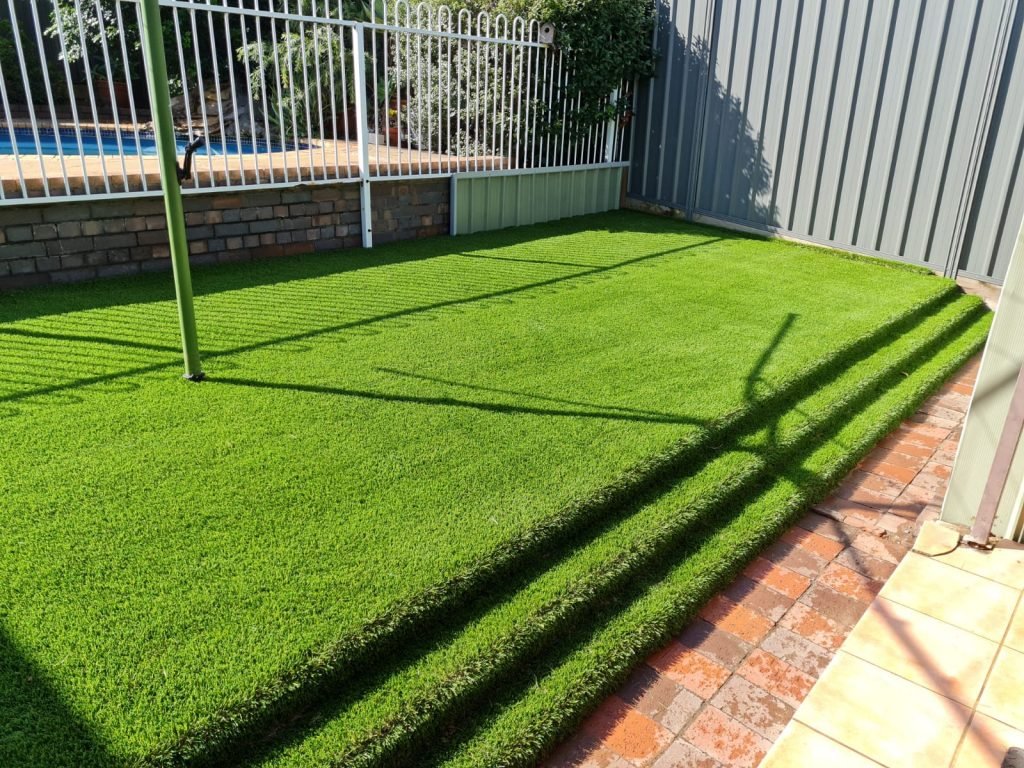
Follow these practical steps:
- Remove solid waste promptly.
- Rinse frequently used toilet areas regularly.
- Pay particular attention to locations where dogs repeatedly urinate.
- Use an appropriate pet-turf enzyme cleaner when necessary.
- Follow the manufacturer’s cleaning instructions.
- Check that the lawn drains properly after washing.
- Keep surrounding drainage channels free of debris.
If unpleasant smells persist despite regular cleaning, investigate the drainage and sub-base rather than repeatedly applying stronger chemicals.
Does ZeoFill help control dog urine odours?
Some pet turf systems use zeolite-based infill to help manage ammonia-related odours.
Zeolite is a porous mineral that can interact with certain compounds through adsorption and ion exchange. Its effectiveness depends on the particular formulation, installation and maintenance.
K9 Grass promotes ZeoFill as part of its odour-control and cooling system. Ask for the recommended application quantity and maintenance instructions before selecting an infill system.
Can you use bleach or vinegar on artificial grass?
Do not assume that household cleaning products are suitable for synthetic turf.
- Bleach: May damage certain turf components or leave unwanted residues.
- Strong disinfectants: May affect fibres, backing or infill depending on their formulation.
- Vinegar: Is not a substitute for a suitable turf cleaner and will not correct poor drainage.
- Enzyme cleaners: May help break down organic residue when specifically formulated for the surface.
Always follow the manufacturer’s instructions and keep dogs away until the cleaned area is ready for use.
Is Artificial Grass Better Than Natural Grass for Dogs?
Artificial grass and natural grass both have advantages and disadvantages. The better choice depends on your dog’s behaviour, backyard conditions and maintenance preferences.
| Factor | Artificial grass | Natural grass |
|---|---|---|
| Muddy paws | Helps reduce mud | Can become muddy |
| Lawn maintenance | No mowing or fertilising | Requires regular lawn care |
| Watering | Occasional rinsing and cleaning | May require regular watering |
| Dog urine | Requires effective drainage and cleaning | Can cause yellow patches |
| Surface temperature | Can become very hot | Generally cooler in direct sunlight |
| Durability | Depends on turf quality and installation | Can develop worn or bare patches |
| Digging | More resistant to ordinary digging | Dogs can dig into soil |
| Hygiene | Requires regular cleaning | Also requires waste management |
| Appearance | More consistent throughout the year | Changes with growing conditions |
| Natural feel | Synthetic texture | Natural texture and soil |
Benefits of artificial grass for dogs
Fewer muddy paw prints
Artificial turf can help reduce muddy paws during wet weather, particularly in heavily used backyard areas.
Less damage to the lawn
Dogs that run repeatedly along fences, dig holes or play in the same area can quickly damage natural grass. Artificial turf can provide a more consistent surface, although persistent digging and chewing can still cause damage.
Reduced lawn maintenance
Artificial grass does not require mowing, fertilising or reseeding. However, dog owners must still remove waste, rinse the surface, brush flattened fibres and inspect drainage.
Consistent appearance
Synthetic grass can maintain its appearance throughout the year without relying on natural growing conditions.
Disadvantages of artificial grass for dogs
Potential disadvantages include:
- High surface temperatures in direct sunlight.
- Initial installation costs.
- Urine odours if drainage and cleaning are inadequate.
- Potential damage from dogs that chew or dig aggressively.
- Less natural texture and potentially harder surfaces.
- Replacement and disposal considerations.
The 2026 dog preference study discussed earlier also found that dogs spent more time on the natural grass surfaces than on the artificial turf tested. However, the research involved only one synthetic turf product and a small group of dogs.
For some homeowners, combining natural grass, artificial turf and shaded outdoor areas may provide the most practical solution.
How to Choose Safe Artificial Grass for Dogs
Choosing artificial grass for pets requires more attention than selecting turf based on colour, pile height or price.
Use this checklist before making a purchase.
1. Check material safety documentation
Ask the supplier about fibre materials, backing composition, adhesives, coatings, infill and relevant independent testing.
Request product-specific reports rather than relying on general safety claims.
2. Choose suitable drainage
Look for permeable backing, documented drainage specifications and an installation system appropriate for your soil and property.
3. Consider surface temperature
If your backyard receives direct afternoon sunlight, ask about heat-reduction technology and independent temperature testing.
4. Select appropriate fibres and pile height
Consider comfort, fibre resilience, cleaning accessibility and your dog’s activity level.
A longer pile is not automatically better for pets. Extremely long or dense fibres may make waste removal and brushing more difficult, depending on the construction.
5. Consider suitable infill
Ask whether the recommended infill is appropriate for pet use, urine management and the particular backing system.
6. Check durability and installation
Ask about join strength, perimeter fixing, sub-base preparation, UV resistance, warranty coverage and maintenance requirements.
Dog-owner buying checklist
- Product-specific safety information is available.
- Fibre and backing materials are disclosed.
- Relevant test documentation can be provided.
- Drainage specifications are available.
- Infill is appropriate for the intended pet use.
- Surface temperature considerations are explained.
- The product suits your dog’s size and behaviour.
- The installation includes suitable base preparation.
- Edges and joins will be securely fixed.
- Cleaning and maintenance instructions are provided.
Is Artificial Grass Suitable for Different Types of Dogs?
Different dogs have different requirements. Consider your dog’s age, size, behaviour and activity level before choosing a product.
| Dog type | Important considerations |
|---|---|
| Puppies | Chewing, ingestion, supervision and toilet training |
| Large dogs | Durability, secure edges and drainage |
| Small dogs | Hygiene and frequently used toilet areas |
| Senior dogs | Comfort, stable footing and mobility |
| Active dogs | Fibre resilience and secure joins |
| Dogs that dig | Perimeter fixing and reinforced construction |
Artificial grass is not indestructible. Supervise dogs that chew or dig at exposed fibres and consult a veterinarian if they swallow turf material.
For senior dogs or pets with joint and mobility problems, ask your veterinarian whether a particular surface is appropriate.
How to Maintain Artificial Grass When You Have Dogs
Even purpose-built pet artificial grass requires a maintenance routine.
The frequency of cleaning depends on the number of dogs, how frequently they use the lawn, local weather and the drainage system.
| Frequency | Recommended maintenance |
|---|---|
| Daily | Remove solid waste and inspect toilet areas |
| Regularly | Rinse urine spots and heavily used areas |
| Weekly | Inspect for odours, debris and flattened fibres |
| Monthly | Check joins, edges, infill and drainage |
| As required | Perform a deeper clean using compatible products |
These are suggested starting points, not fixed cleaning intervals. Households with several dogs may need more frequent cleaning.
If you notice persistent odours or standing water, investigate the drainage system rather than simply increasing the use of cleaning chemicals.
Is Artificial Grass Suitable for Dogs in Melbourne, Brisbane and Sydney?
Australian weather conditions make local considerations important when choosing artificial grass.
The right product should be selected according to the actual property, sunlight exposure, drainage conditions and how frequently your dog uses the lawn.
Artificial grass for dogs in Melbourne

Melbourne homeowners should consider changing weather conditions, winter rainfall and periods of intense summer sunshine.
Important considerations include:
- Suitable sub-base preparation.
- Drainage during heavy rainfall.
- UV resistance.
- Afternoon sun exposure.
- Shaded areas for dogs during warmer weather.
The Melbourne summer temperature study discussed earlier reinforces the importance of checking surface temperatures rather than assuming artificial grass will remain comfortable throughout summer.
Artificial grass for dogs in Brisbane
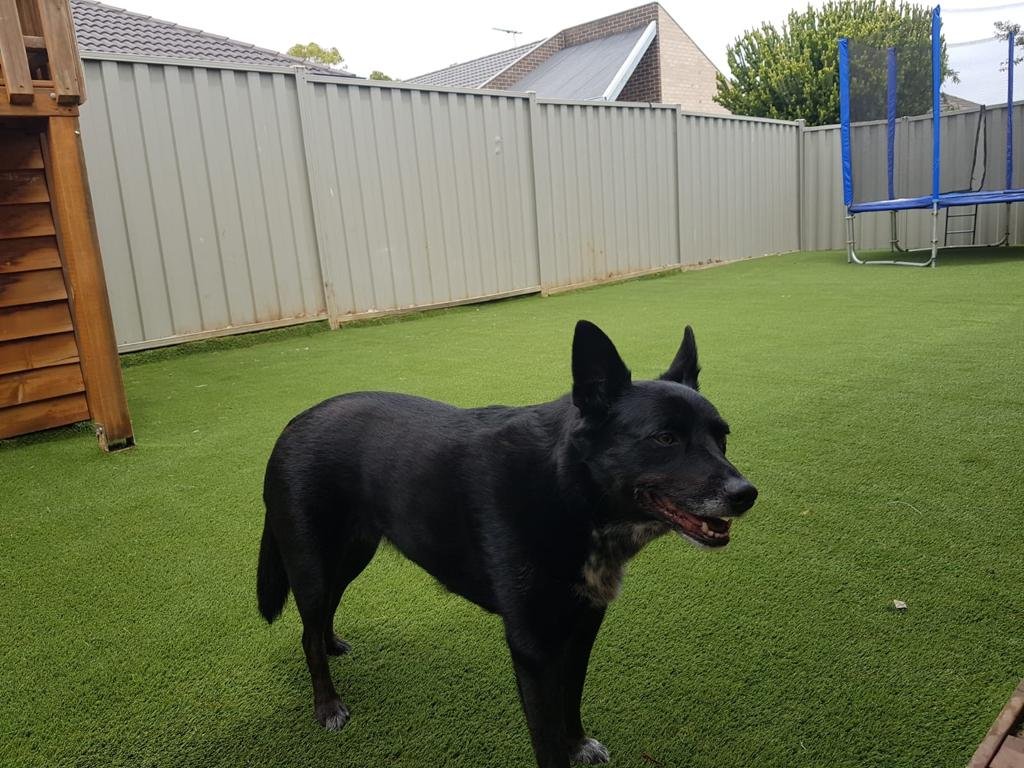
Brisbane homeowners should pay particular attention to heat, humidity and drainage.
Consider:
- Shading exposed backyard areas.
- Checking surface temperatures during hot weather.
- Selecting turf with suitable drainage.
- Ensuring the sub-base handles heavy rainfall.
- Cleaning frequently used pet toilet areas.
Artificial grass for dogs in Sydney
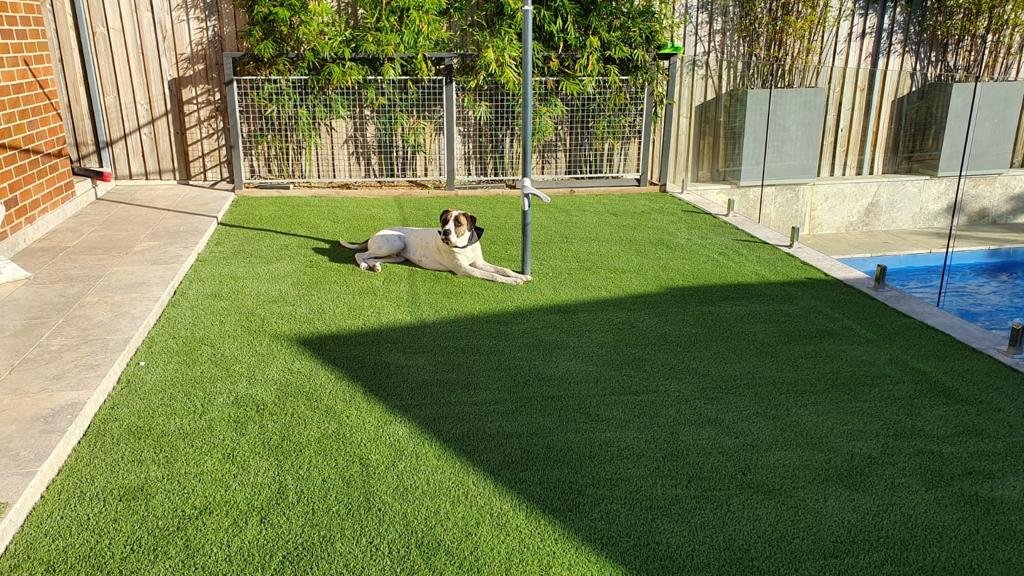
Sydney homeowners should consider direct sunlight, rainfall, coastal exposure and backyard drainage.
Before installation:
- Check how much direct sunlight the area receives.
- Consider shade for frequently used dog areas.
- Ask about UV resistance.
- Check the site’s drainage and soil conditions.
- Choose a suitable maintenance routine.
Whether you live in Melbourne, Brisbane or Sydney, artificial grass should be selected according to your property’s actual conditions rather than the city name alone.
Why Consider K9 Grass for Your Dog?
When comparing artificial grass for pets, it is worth looking beyond conventional landscaping turf and considering products specifically developed for dog-friendly outdoor areas.
K9 Grass offers specialised artificial turf products with features intended to address common pet-owner concerns.
K9 HeavyDuty 30mm
K9 HeavyDuty is designed for heavily used dog areas, including kennels, pet hotels and commercial applications.
According to the product information, it uses triple-layer backing and ERET glue to improve backing strength and help minimise damage caused by digging.
K9 DrainPro 40mm
K9 DrainPro uses net backing technology designed to improve water and urine permeability.
This product is positioned for residential backyards where effective drainage is an important consideration.
K9 HeatBlock and ZeoFill
K9 Grass promotes its HeatBlock and ZeoFill technologies as part of its approach to heat and odour management.
The manufacturer states that the combined system can keep grass up to 30% cooler. This should be evaluated using the relevant testing methodology and product-specific performance documentation.
Antibacterial and material safety information
K9 Grass states on its website that its products have been tested by SGS, Eurofins Scientific and CSIRO for antimicrobial and non-toxic material characteristics for children’s and pet areas.
Before purchasing, ask for the applicable reports to understand which products, materials and test methods were included.
This helps you make a decision based on the actual product rather than relying solely on general safety claims.
Explore the K9 Grass artificial turf range to compare the available products.
Frequently Asked Questions About Artificial Grass and Dogs
Is artificial grass 100% safe for dogs?
No artificial grass should automatically be described as 100% safe in every situation. Suitability depends on materials, surface temperature, drainage, installation and maintenance.
Can dogs sleep on artificial grass?
Dogs can rest on artificial grass when the surface is clean and at a comfortable temperature. Always provide a shaded, cooler resting area during hot weather.
Can puppies pee on artificial grass?
Yes. Puppies can use artificial grass as a toilet surface. Choose suitable pet turf with effective drainage and clean the area regularly. Supervise puppies to prevent chewing or swallowing loose fibres.
Does artificial grass smell when dogs pee on it?
It can. Urine residue, poor drainage and infrequent cleaning can contribute to unpleasant smells. Regular rinsing and suitable infill can help manage odours.
Can artificial grass cause infections in dogs?
Poorly maintained artificial turf can retain organic waste and microorganisms. Regular cleaning helps maintain hygiene, but synthetic grass is not sterile. Seek veterinary advice if your dog develops symptoms of infection or irritation.
Does artificial grass get too hot for dogs in summer?
It can. Artificial grass exposed to direct sunlight can become significantly hotter than natural grass. Provide shade, check surface temperatures and give dogs access to cooler surfaces.
Can dogs chew or eat artificial grass?
Artificial grass is not designed to be eaten. Swallowing loose fibres or pieces of backing can create a foreign-body risk. Supervise dogs that chew outdoor materials and contact a veterinarian if they swallow turf.
Is artificial grass better than natural grass for dogs?
It depends on your priorities. Artificial grass can reduce mud and lawn damage, while natural grass generally provides a cooler surface and a more familiar texture. Both require appropriate hygiene and maintenance.
What is the best artificial grass for dogs in Australia?
Look for pet-specific turf with documented material safety, effective drainage, suitable infill, appropriate durability and clear maintenance instructions. Consider your local climate and your dog’s behaviour before choosing a product.
Conclusion: Is Artificial Grass a Good Choice for Dogs?
Artificial grass can be a practical outdoor surface for dog owners who want to reduce muddy paws, bare lawn patches and ongoing lawn maintenance.
However, its suitability depends on selecting the right product and ensuring that it is installed and maintained correctly.
The most important considerations are material safety, surface temperature, urine drainage, odour management and regular cleaning. These factors deserve particular attention in Australian conditions, where exposed synthetic surfaces can become very hot during summer.
If you are considering artificial grass for your dog in Melbourne, Brisbane or Sydney, compare products carefully and ask suppliers for technical specifications and relevant testing documentation.
K9 Grass offers specialised pet turf products with features designed to address common concerns such as drainage, heat management, odour control and durability.
Looking for artificial grass designed for dogs? Explore the K9 Grass product range and contact the team to discuss a suitable option for your backyard.

Editorial Staff’s at K9 Grass are experts in pet artificial grass.